Empowering Lives: A Comprehensive Guide to Cancer Care and Support
Navigating the oncology journey can feel like stepping into uncharted waters. Each patient's experience is unique—marked by the shadow of a tumor, an unfamiliar diagnosis, and the overwhelming amount of information available. Healthcare professionals often use terms like malignancy and therapy which can send anyone into a frenzy of anxiety and confusion. Yet, amidst this uncertainty, knowledge becomes your best ally. Understanding your condition and the path ahead not only empowers you but can enhance your overall well-being. As the legendary Maya Angelou once said, 'I can be changed by what happens to me. But I refuse to be reduced by it.' So how can we ensure that we’re not reduced, but rather empowered on this journey?
For both patients and caregivers, engaging with informational resources is paramount. The oncology landscape is rich with studies and clinical trials that can provide valuable insights into the latest treatment options, risk factors, and even screening practices. Have you thought about what questions to ask your medical team? Knowledge is a key stepping stone to advocacy. By asking the right questions, you not only better understand your diagnosis but also advocate for your care on a deeper level. It's about taking charge of your health journey and ensuring you comprehend the choices available to you.
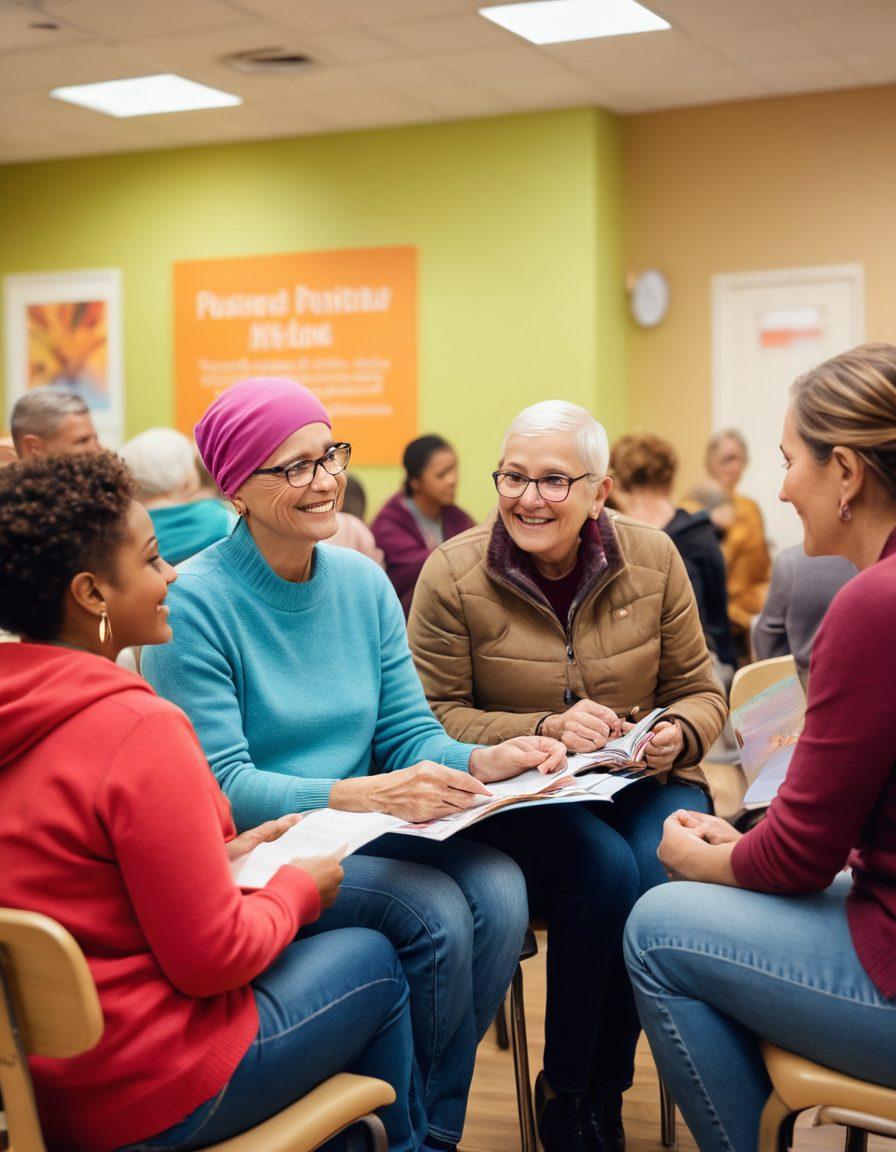
But let’s not forget the human aspect—emotional and psychosocial support is just as crucial as any medical care plan. Consider this: how often do we prioritize self-care in the wake of such overwhelming circumstances? The stresses of diagnosis and treatment can feel isolating, but finding a community can bring comfort and connection. Support groups—whether in person or online—allow you to share your experiences, learn from others, and yes, even laugh together. As the old saying goes, 'A burden shared is a burden halved.' What communities can you join to support your journey?
Nutrition also plays a vital role in this journey. Holistic health isn’t a buzzword; it’s a lifestyle approach that encourages nourishing the body through the right foods. With the right nutritional support, you may improve your quality of life while undergoing therapy or rehabilitation. So, what’s on your plate? Choosing foods rich in vitamins, antioxidants, and minerals can make a difference and is an actionable step towards maintaining your energy and resilience throughout the various stages of cancer care.
Finally, never underestimate the power of early detection and rehabilitation. Knowledge of your body and any changes it undergoes can lead to a more effective and immediate response. Regular screenings are a proactive way to catch potential issues before they develop into something more serious. This leads to better outcomes, and as patients and caregivers, we should never shy away from advocating for ourselves and each other. Each step you take—whether it’s seeking clarification from your doctor on the next phase of your journey, joining a community, or integrating nutrition into your life—creates a ripple effect that can lead to enduring empowerment. How will you take that first step towards a well-informed oncology experience?
From Diagnosis to Recovery: Essential Strategies for Holistic Cancer Care
When faced with a cancer diagnosis, emotions can run high. Fear and uncertainty often overshadow the path ahead. However, from the moment oncologists inform us about a tumor or malignancy, we embrace an opportunity for empowerment. This blog aims to navigate the journey from diagnosis to recovery, laying out essential strategies for holistic cancer care that can transform your experience and well-being while facing this formidable disease.
Did you know that early detection plays a pivotal role in combatting cancer? Engaging in regular screening and understanding the risk factors tied to specific types of cancer can create a significant difference in treatment outcomes. Like a quote I once heard: "Knowledge is power in the fight against cancer." Having the right informational resources not only equips you with the necessary tools for understanding your situation but also enables you to make informed decisions about your medical care. After all, awareness builds advocacy and with advocacy, we can shape our treatment paths.
As you navigate through your treatment options, recognizing the importance of therapy – whether it's chemotherapy, radiation, or immunotherapy – is critical. Each approach has its unique role and effectiveness depending on the nature of the malignancy. However, there is a growing body of studies showing that integrating holistic health practices can improve both physical and emotional dimensions of patient support. Think about it: wouldn't it be empowering to approach treatment with a mindset that includes nutritional support, lifestyle choices, and psychosocial support? Yes, please!
Community forms a crucial lifeline. Engaging with peer support groups offers a space where experiences can be shared, stories can be told, and healing can be amplified. These groups not only provide encouragement but also access to rehabilitation and caregiver resources that can make your journey less daunting. So, why not take that leap and connect with others who walk a similar path? You may gain insights from their experience that transform your own perspective on recovery and resilience.
Lastly, let’s talk about the “R” word: recovery. Recovery is not merely a medical term; it embodies the holistic journey toward reclaiming one’s quality of life after treatment. As you progress, establishing a commitment to self-care is vital. Embrace activities that ignite your passion, maintain a consistent routine, and invest in mental health practices. Whether it’s yoga, meditation, or simply spending time with loved ones, the goal is to cultivate a lifestyle that fosters your well-being. Remember, you are not just surviving cancer; you are thriving beyond it.
Building a Supportive Community: Resources and Advocacy for Cancer Patients
When faced with a cancer diagnosis, the first thought that crosses our minds often revolves around fear. Fear of the unknown, fear of the treatment, and fear for our loved ones. Yet, amidst this uncertainty lies an incredible opportunity to build a supportive community. In the realm of oncology, connecting with others who understand the journey can make all the difference. Have you ever wondered how this sense of community can enhance your resilience and overall well-being?
Building a supportive cancer community starts with understanding available resources. Numerous organizations and local groups offer informational resources that empower patients and their loved ones with knowledge about risk factors, screening, and treatment options. One insightful quote rings true: "Knowledge is power," especially when it comes to navigating the complexities of tumor types, malignancy, and available therapies. The more informed individuals are about their situation and the surrounding resources, the more proactive they can be in their care, enhancing their quality of life.
Have you ever thought about the impact of peer support? Engaging in support groups can lead to meaningful connections that offer both friendship and understanding. Many patients find solace in sharing their experiences, discussing rehabilitation options, or exploring what self-care looks like during treatment. It’s fascinating how a simple conversation can lift your spirits, provide insights into holistic health, and inspire lifestyle changes that improve your overall wellness. Just imagine being surrounded by a community that embraces your journey, celebrates each small win, and stands firm in challenging moments.
Moreover, advocacy plays a pivotal role in amplifying patient voices and needs. By participating in clinical trials and studies, patients not only contribute to the collective knowledge around cancer treatment but also actively engage in shaping future medical care. Isn't it empowering to know that your experience can help others, paving the way for improved treatments in the future? Whether you are a patient looking for ways to actively participate or a caregiver seeking resources to provide support, every effort counts. After all, the ripple effect of community advocacy is far-reaching, extending far beyond our immediate circles.
The journey through cancer is undoubtedly challenging, but it also presents an opportunity to explore the various dimensions of our lives—mental, emotional, and physical. Engaging in psychosocial support can be crucial for both patients and caregivers, creating an environment where everyone can express their fears, hopes, and needs openly. By prioritizing nutritional support and advocating for early detection, patients can take significant steps toward maintaining their well-being. As we bolster the strength of our community, we pave the way for healthier paths forward, not only for ourselves but also for future generations.